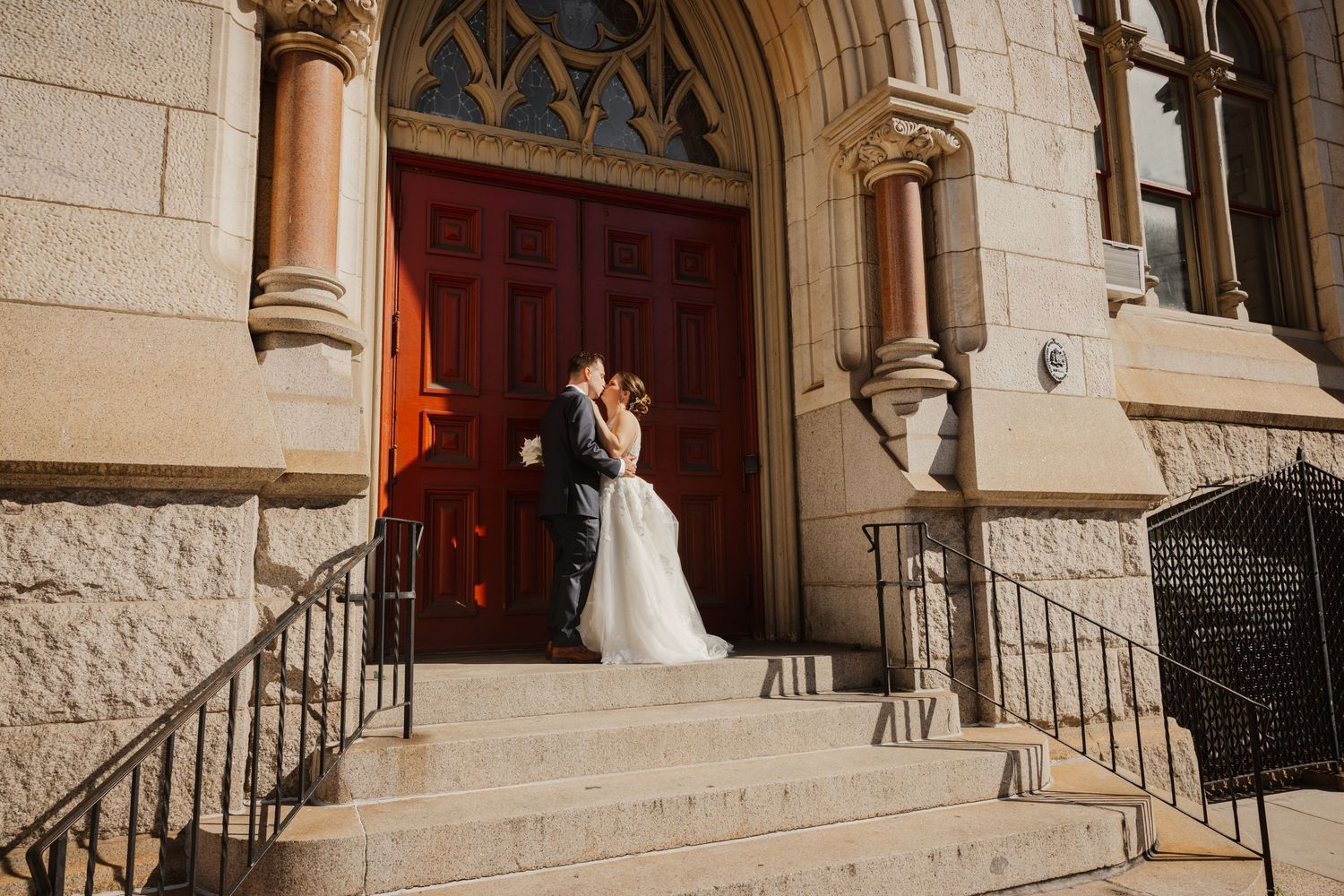
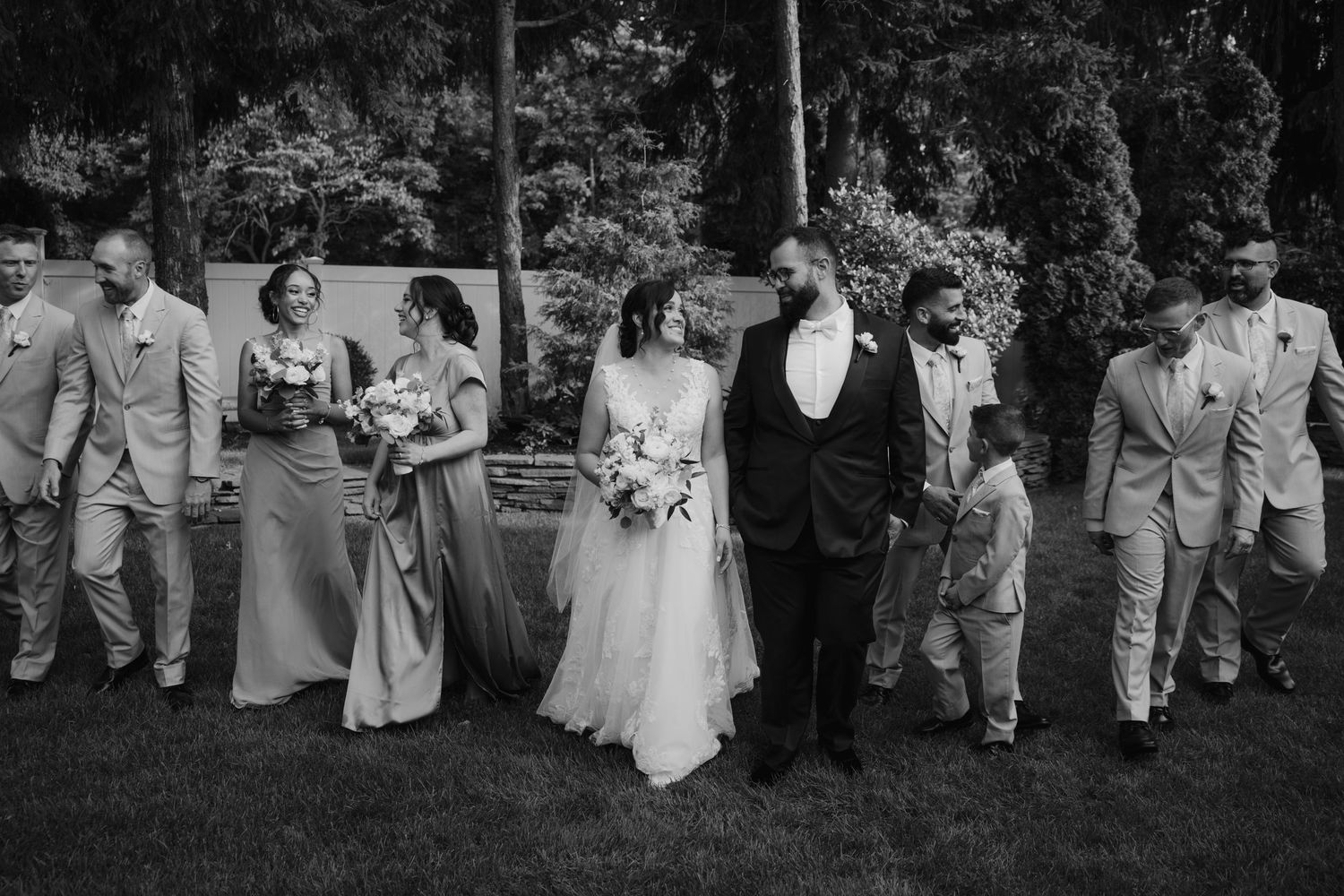
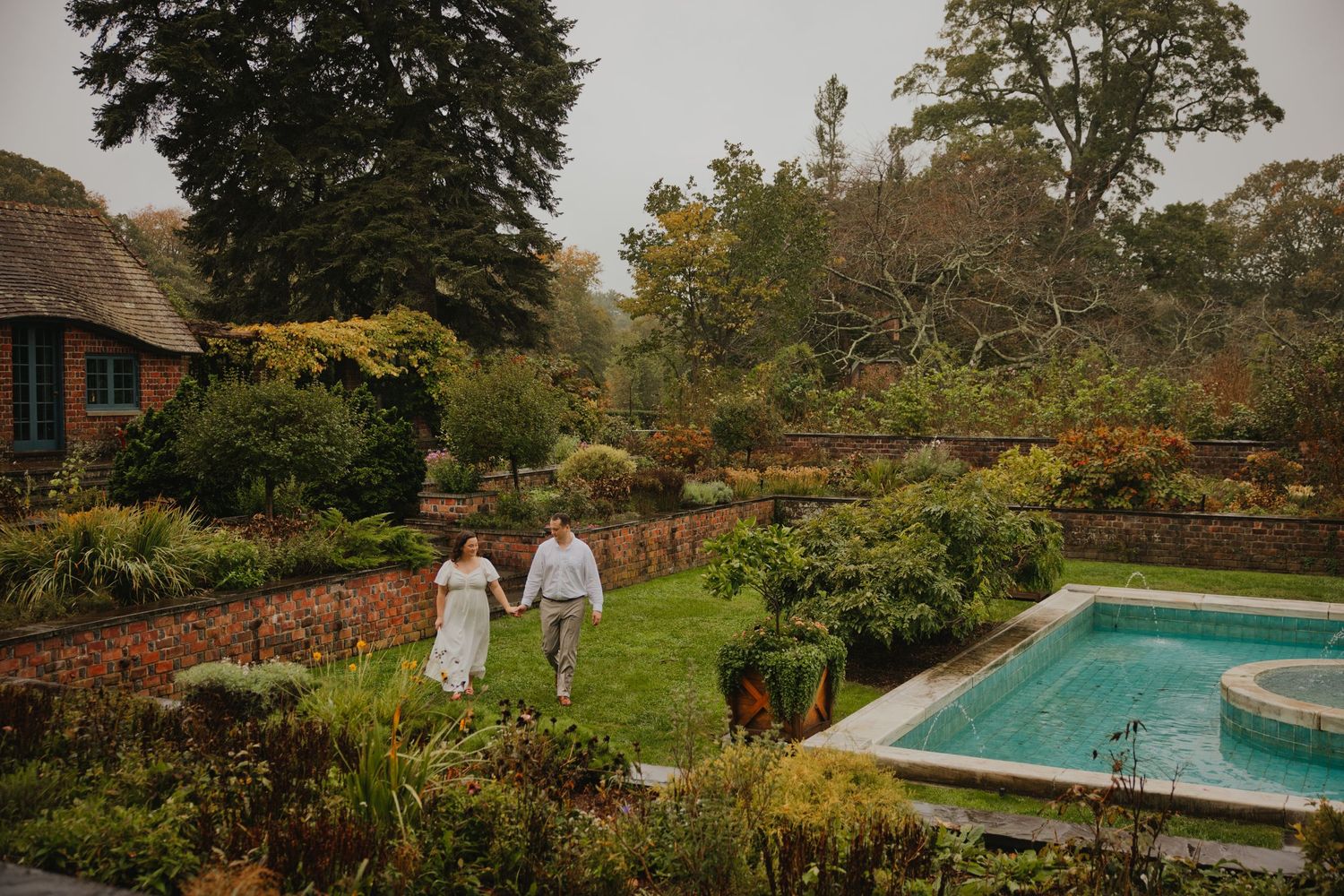
There’s something about a Long Island sunset that just hits differently—especially when you’re standing on the beach with the person you’re about to marry.
At Raynor Studios, engagement sessions are about more than getting a few great photos for your save-the-dates. They’re a chance to slow down, have some fun together, and capture this part of your story before the wedding day arrives.
And if you’re dreaming of warm, romantic, cinematic engagement photos, there’s one time of day we’ll recommend again and again: sunset.


Why We Love Sunset Engagement Sessions
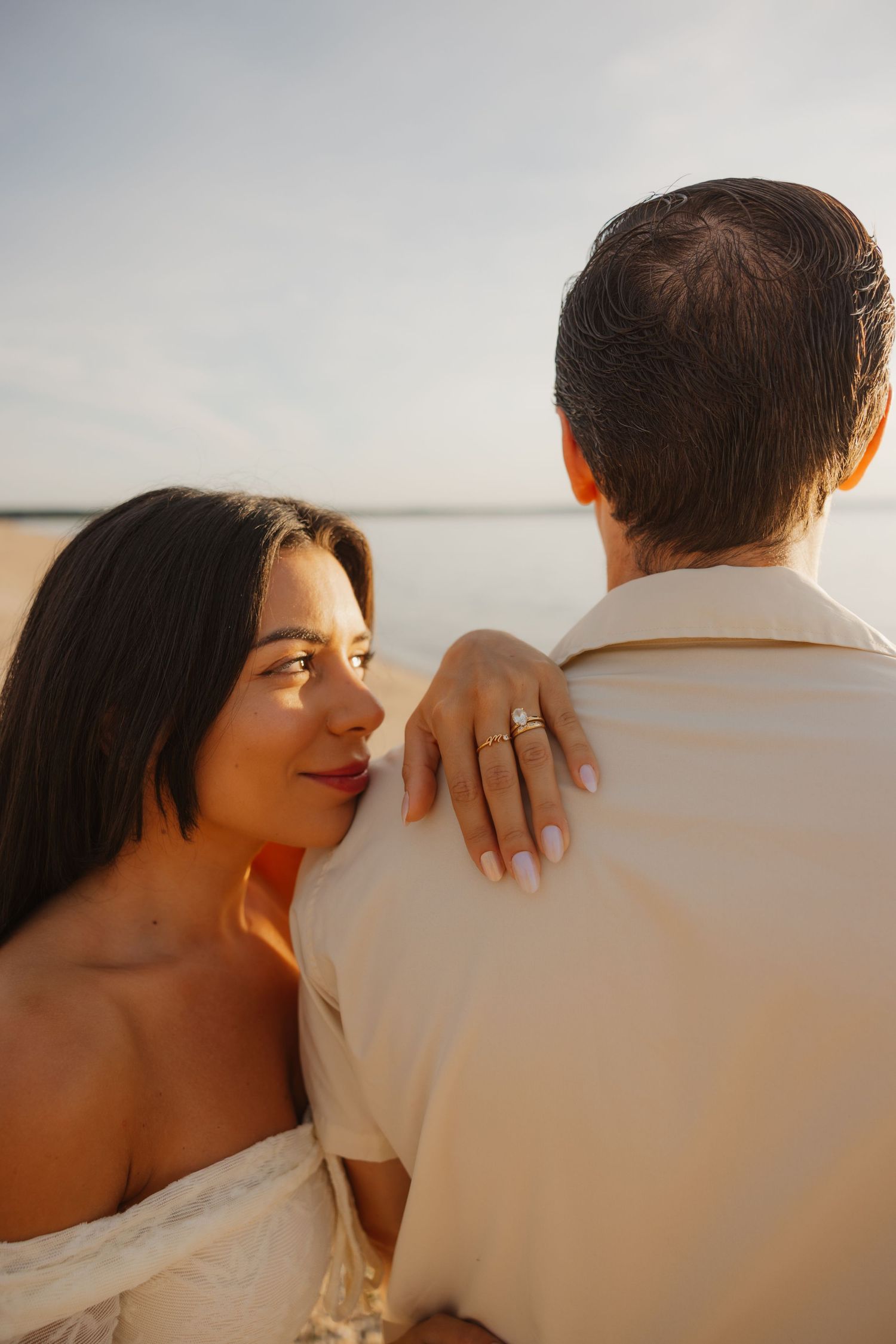
Photographers often call the period just before sunset golden hour. As the sun gets lower in the sky, harsh midday light gives way to softer, warmer tones that can completely transform the look of your photos. Instead of bright overhead sunlight and heavy shadows, we get beautiful directional light, warmer skin tones, glowing backgrounds, and those dreamy sun-filled images that feel almost cinematic.
It fits perfectly with the way we photograph at Raynor Studios—a blend of documentary moments and editorial imagery that still feels natural to who you are as a couple.
Long Island Was Made for Sunset Engagement Photos
One of the best parts about being a Long Island wedding and engagement photographer is the variety of locations we have right in our backyard.
From North Shore beaches and rocky coastlines to South Shore waterfronts, open fields, parks, downtown areas, and historic estates, there are so many ways to make an engagement session feel completely different.
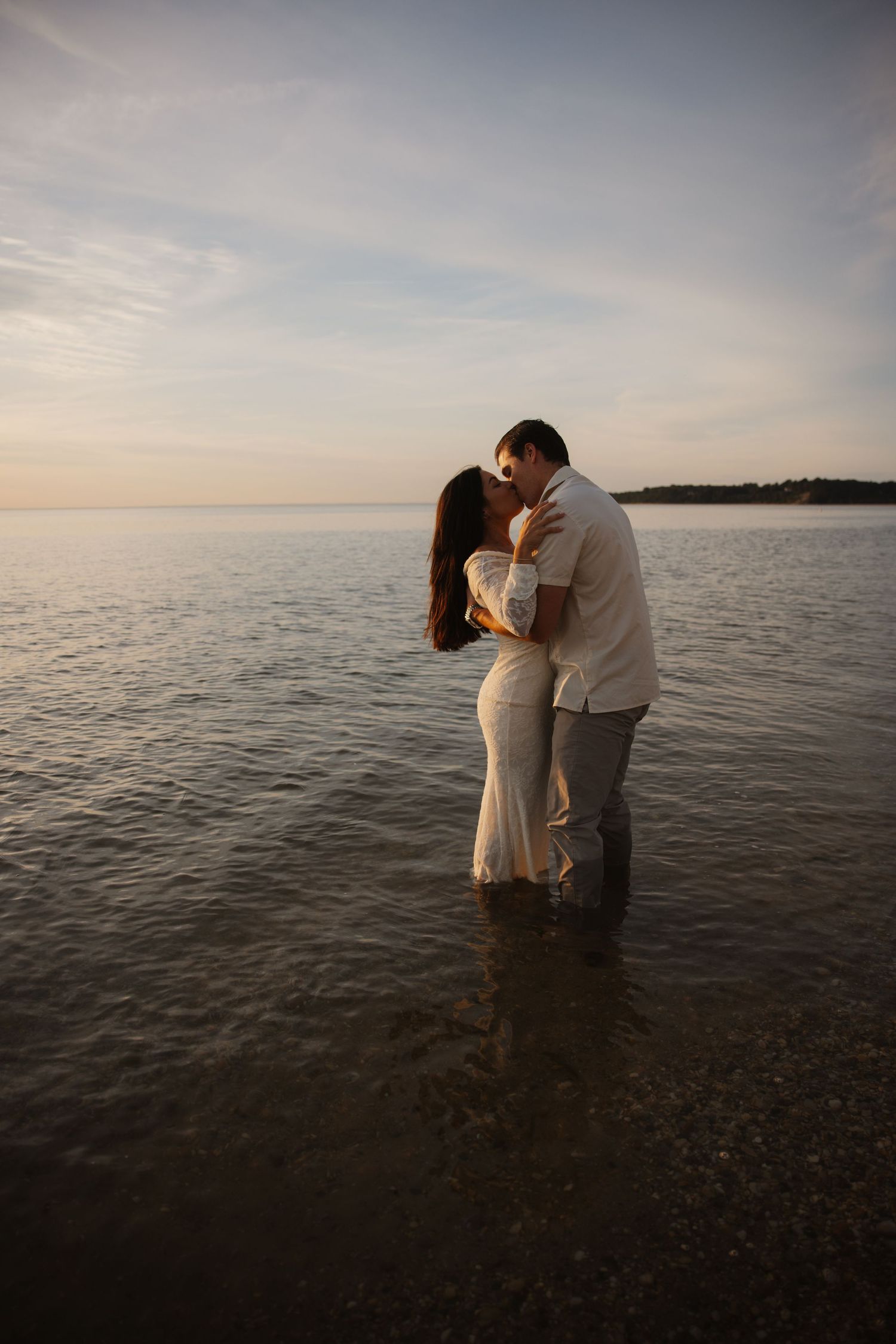
Beach engagement sessions are one of our favorites.
As the sun gets lower, the colors of the sky begin reflecting off the water while the sand and shoreline take on warmer tones. The light continues changing throughout the session, which means your gallery can go from bright and romantic to warm and golden—and eventually into deeper, moodier blue-hour photographs.
You get multiple looks without ever leaving the beach.

Sunset Photos Feel More Natural
One of the biggest concerns we hear from couples is:
"We're awkward in front of the camera."
Trust us—you’re not alone.
Your engagement session isn’t supposed to feel like an hour of standing still and forcing smiles at the camera. We’ll guide you when you need it, but we also want you to actually interact with each other. Walk along the shoreline. Talk. Laugh. Run through the water. Pull each other close. Forget about us for a minute.
Some of our favorite photographs happen in the moments between the poses. That’s where our documentary approach comes in. We’re watching for the little reactions and interactions that make the photographs feel like you, while mixing in more intentional, editorial portraits throughout the session.
What Should You Wear for Sunset Engagement Photos?
Your outfits can make a huge difference in how your final engagement gallery comes together.
For beach and outdoor sunset sessions, we usually recommend colors that complement the environment rather than compete with it. Think neutrals, earth tones, creams, tans, muted blues, soft greens, browns, and other natural colors. Flowing dresses can photograph beautifully when there’s movement from the ocean breeze, while a simple button-down, knit polo, or neutral shirt paired with chinos or darker pants can create an elevated look without feeling overly formal.
Most importantly, coordinate without perfectly matching.
You should look like you belong together—not like you were issued matching uniforms. Don't Skip the Final Minutes After Sunset
Once the sun disappears below the horizon, the session isn't necessarily over. The period immediately after sunset can create some of the most dramatic engagement photographs of the entire evening.
The sky often shifts toward softer pinks, purples, and blues, giving us an opportunity to create images that feel completely different from the golden photographs we captured only minutes earlier. Depending on the location and conditions, we may even continue into blue hour for a few moodier, cinematic portraits.
That's one reason we recommend giving yourself plenty of time and avoiding scheduling anything immediately after your engagement session.
When Should You Schedule Your Engagement Session?
For the best light, we'll plan your session around the actual sunset time rather than simply choosing an arbitrary hour.
That time changes significantly throughout the year on Long Island, so a summer engagement session may begin much later in the evening than one during the fall.
Weather matters too.
And here's a little secret: a perfectly clear sky isn't always the best sky. A few clouds can add texture, depth, and incredible color as the sun gets lower. Some of the most dramatic sunsets happen when the conditions aren't completely clear.
Your Engagement Session Is Also a Wedding-Day Test Run
There’s another huge benefit to having engagement photos taken before your wedding: you get comfortable with your photographer. By the time your wedding arrives, you'll already know how we work.
You'll understand our direction, we'll know how the two of you naturally interact, and being photographed won't feel nearly as unfamiliar. That can make a huge difference when the wedding day finally arrives.
Instead of meeting a photographer and immediately having a camera pointed at you during one of the biggest days of your life, it feels like you're working with someone you already know.
Make It Personal
The best engagement sessions aren't just beautiful—they mean something.
Choose a location you love. Bring something personal. Incorporate your dog. Pack a blanket. Bring champagne. Grab pizza afterward. Walk barefoot through the water. Your engagement photos don't need to look exactly like everyone else's.
They should feel like your relationship, photographed in a way you'll actually want to look back on years from now.
Planning a Long Island Sunset Engagement Session?
If you're recently engaged and searching for a Long Island engagement photographer, we'd love to hear what you have in mind.
Raynor Studios photographs engagements and weddings throughout Long Island, New York, with a style blending candid documentary storytelling with modern editorial imagery.